_edited.jpg)
Jaw Pain & TMD Physiotherapy
Specialist Physiotherapy for Jaw Pain, TMD, Clicking, Locking and Headaches
Jaw pain and temporomandibular disorders (TMD) can affect your ability to eat, speak, sleep and go about your everyday life.
Specialist jaw physiotherapy can help identify the factors contributing to your symptoms and develop an individualised treatment approach.
At Midlands Jaw Physiotherapy, I specialise in the assessment and treatment of jaw pain, TMD and related symptoms, including clicking, restricted movement, muscle tension and headaches.
Do these symptoms sound familiar?
-
Jaw pain when chewing
-
Difficulty opening your mouth
-
Jaw stiffness in the morning
-
Ear pain or a full or foggy feeling in the ear
-
Tinnitus or ringing in the ear
-
Neck pain
If one or more of these symptoms sound familiar, a specialist physiotherapy assessment can help identify the underlying cause and guide the most appropriate treatment.
How Can Jaw Physiotherapy Help?
Jaw physiotherapy can help reduce pain, improve jaw movement and restore function when symptoms are related to TMD and other musculoskeletal problems affecting the jaw.
At Midlands Jaw Physiotherapy, your assessment considers more than the jaw itself. We look at your jaw joints and muscles alongside your neck, movement patterns, habits and other factors that may be contributing to your symptoms.
Depending on your individual presentation, treatment may include:
-
Education and advice to help you understand your symptoms
-
Specific exercises to improve jaw movement and function
-
Manual therapy for the jaw and associated muscles
-
Movement retraining
-
Strategies to reduce excessive clenching and other aggravating habits
-
Management of associated headache and neck symptoms
Your treatment plan is individualised rather than following a standard protocol. The aim is to help you understand your symptoms, improve your jaw function and give you the tools to manage your condition in the longer term.
Understanding the Jaw
Jaw pain isn't a diagnosis - it can arise from several different structures working together.
Healthcare professionals use the term Temporomandibular Disorders (TMD) to describe a group of conditions affecting the jaw joints, the muscles used for chewing and the surrounding tissues.
Although many people refer to "TMJ", this actually describes the temporomandibular joint itself. TMD is the name for disorders affecting this joint and the surrounding structures.
Because several different structures work together every time you chew, speak and yawn, pain can arise from more than one area. Understanding which structures are involved is an important first step in choosing the right physiotherapy treatment.
Anatomy
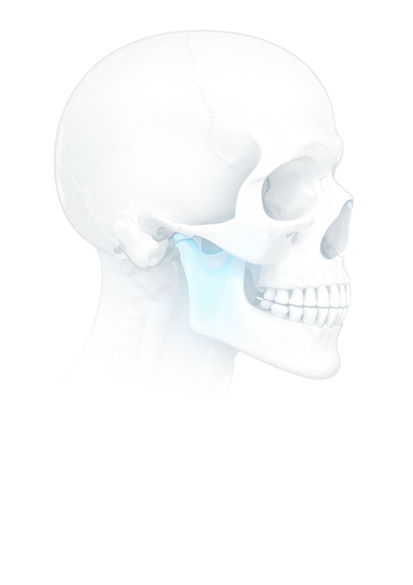
The jaw is one of the most complex joints in the body. Several structures work together every time you speak, chew or yawn. Pain can arise from the joint itself, the surrounding muscles or other nearby structures, which is why identifying the source of your symptoms is an important first step.

🦴 The Jaw Joint (TMJ) The temporomandibular joint connects your lower jaw (mandible) to the skull. Unlike most joints in the body, it both hinges and glides, allowing smooth movement when you eat, speak and yawn.
_edited.jpg)
💪 The Chewing Muscles Powerful muscles around the jaw generate the force needed for chewing and speaking. These muscles can become overworked through habits such as clenching or grinding, often contributing to pain and stiffness.

🧩 The Joint Disc A small cartilage disc sits between the bones, acting as a cushion and helping the joint move smoothly. Changes in the position or movement of this disc may contribute to clicking or locking in some people.

🎗️Supporting Ligaments Ligaments help guide and stabilise jaw movement. Injury or excessive strain may affect how comfortably the joint moves.
Why Understanding Your Anatomy Matters
For some people, symptoms arise mainly from the muscles, while for others the jaw joint itself is the primary source of pain. Headaches, neck pain, stress, teeth clenching and previous injuries can all influence how your jaw functions.
This is why a specialist physiotherapy assessment looks beyond the jaw itself to identify the factors contributing to your symptoms.
Many people assume jaw pain always comes from the joint itself. In reality, muscles are one of the most common sources of jaw pain.
TMJ Physiotherapy in Birmingham
Looking for TMJ physiotherapy in Birmingham? Midlands Jaw Physiotherapy provides specialist assessment and treatment for temporomandibular disorders (TMD), commonly referred to as TMJ problems.
Your assessment looks at how your jaw joints, chewing muscles and jaw movement are functioning, as well as factors such as clenching, grinding, headaches, neck dysfunction and previous injury that may be contributing to your symptoms.
Treatment is tailored to your individual presentation and may include education, exercise therapy, manual therapy, movement retraining and strategies to reduce strain on the jaw.
The aim of TMJ physiotherapy is not simply to treat the painful area. It is to understand why your symptoms are occurring, improve jaw function and give you practical strategies to manage your symptoms confidently.
Frequently Asked Questions
Related Symptoms
It is rare for only one symptom to occur with TMD. Jaw clicking is often just a component of the overall condition.
Explore our other specialist resources:
Let’s Work Together
Get in touch so we can start working together.


