_edited.jpg)
What is Jaw Pain (TMD)?
Back to Basics: Understanding Your Jaw
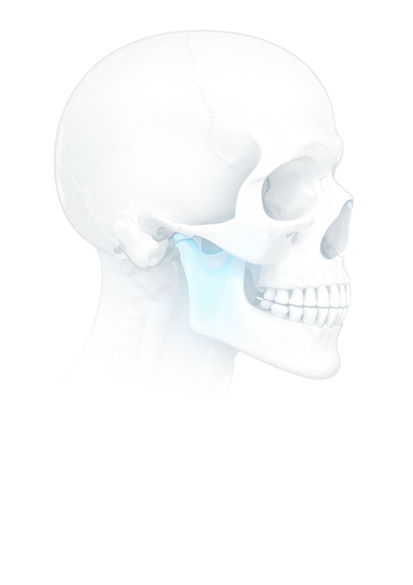
Temporomandibular Disorders (TMD) is the medical term used to describe a group of conditions affecting the jaw joint, jaw muscles and surrounding structures. These problems can cause pain, discomfort or difficulties with normal jaw function.
Symptoms may arise from the jaw muscles themselves, the temporomandibular joint (TMJ), or even related structures such as the neck (cervical spine).
The Jaw Joint (TMJ)
The temporomandibular joint (TMJ) connects your lower jaw (mandible) to your skull (temporal bone). It is one of the most frequently used joints in the body, allowing you to speak, eat, yawn and express emotions.
Within the joint sits a small cartilage disc that acts as a cushion and helps the jaw move smoothly through its "slide and glide" motion.
The Jaw Muscles
Several muscles work together to move the jaw. The main muscles commonly involved in
TMD include:
-
Masseter
-
Temporalis
-
Medial pterygoid
-
Lateral pterygoid
These muscles can become painful themselves but can also refer pain to other areas of
the head and neck.
For example:
-
The masseter muscle can refer pain into the teeth, ear, cheek and above the eyebrow.
-
The temporalis muscle commonly refers pain into the side of the head and can contribute to headache symptoms.
One characteristic feature of muscular TMD is that the pain may move around or be felt in different areas from day to day.
Why Does My Jaw Click?
Many people notice clicking, popping or cracking sounds when they open or close their mouth.
In many cases, this occurs when the disc within the jaw joint moves slightly out of position and then returns to its normal position during movement.
If the clicking is painless and your jaw functions normally, it is usually nothing to worry about.
However, if the clicking is accompanied by:
-
Pain
-
Reduced mouth opening
-
Jaw locking
-
Changes in the way your jaw moves
it may be worth seeking assessment and treatment from a physiotherapist with expertise in TMD.
Common Signs and Symptoms of TMD
TMD can present as:
-
Pain or discomfort around the jaw or face
-
Clicking, popping or cracking sounds from the jaw
-
Reduced mouth opening (see the stacked 3 finger test)
-
Pain when chewing, talking or yawning
-
Headaches
-
Neck pain
-
Ear pain or a feeling of fullness in the ear
What Causes TMD?
One of the most common contributors to TMD is excessive clenching or grinding of the teeth, either during the day or while sleeping.
These habits are often worsened during periods of stress, anxiety or intense concentration, such as working, studying or exercising.
Think of it like repeatedly performing bicep curls in the gym. If you performed hundreds of repetitions every day without allowing your muscles to rest, they would eventually become tired, overloaded and painful.
The same principle applies to the jaw muscles. The difference is that many people don't realise they are clenching their jaw until symptoms develop.
Other contributing factors may include:
-
Excessive chewing of gum
-
Frequently eating very chewy foods
-
Jaw injuries or trauma
-
Poor posture
-
Neck problems
-
Stress and tension
Often, chewing gum, crusty bread or a tough steak is simply the "straw that broke the camel's back", rather than the sole cause of the problem.
How Can Physiotherapy Help?
Physiotherapy can help identify the underlying cause of your symptoms and provide treatment to reduce pain, improve jaw movement and restore normal function.
Most people with TMD respond well to conservative treatment, particularly when the contributing factors are identified early.
_edited.jpg)

Stacked 3 finger test
Let’s Work Together
Get in touch so we can start working together.


